How to Prevent Ingrown Hairs After Waxing
Learn expert tips to prevent ingrown hairs after waxing from our estheticians in Phoenix and Scottsdale. Keep your skin smooth and bump-free with proper aftercare techniques.
By Danielle Morales
Mar 26
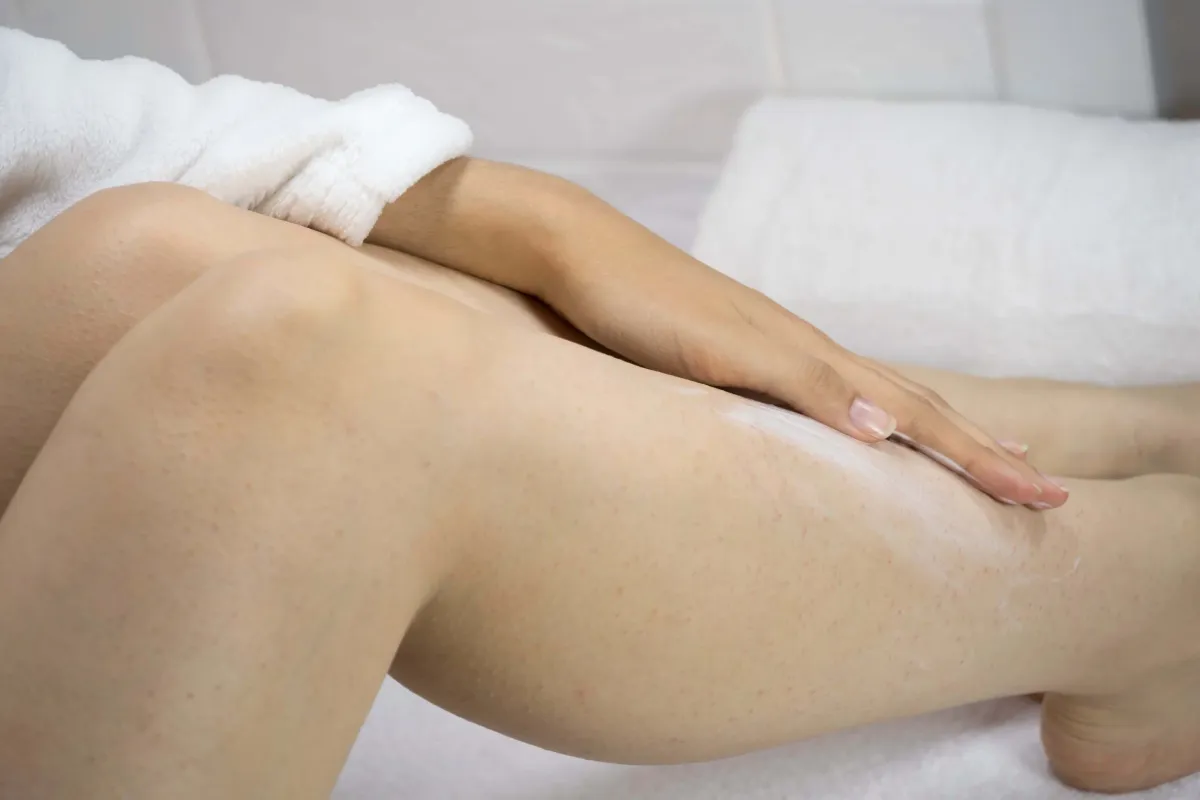
A great wax should leave you smooth — not playing detective with bumps a few days later. Ingrown hairs are one of the most frustrating parts of hair removal, but they’re usually preventable with the right routine.
Short answer: the best way to prevent ingrown hairs after waxing is to exfoliate gently, keep skin moisturized, avoid tight friction right after your appointment, and do not shave between waxes.
If you tend to deal with ingrowns after waxing, it doesn’t automatically mean waxing isn’t for you. It usually means your skin needs a little better prep, better aftercare, or better technique during the service itself. Here’s how I help clients keep things calmer and smoother.
Quick Answer
- Exfoliate: 2-3 times a week once skin calms down
- Moisturize: daily with gentle, fragrance-free products
- Avoid friction: loose clothing after waxing helps
- Do not shave between waxes: it disrupts the growth cycle
- Professional technique matters: broken hairs create more problems
What Are Ingrown Hairs?
Ingrown hairs occur when hair regrows and bends back into the skin, causing inflammation and sometimes infection. They can appear as small bumps on the skin, often accompanied by redness, itching, and pain.
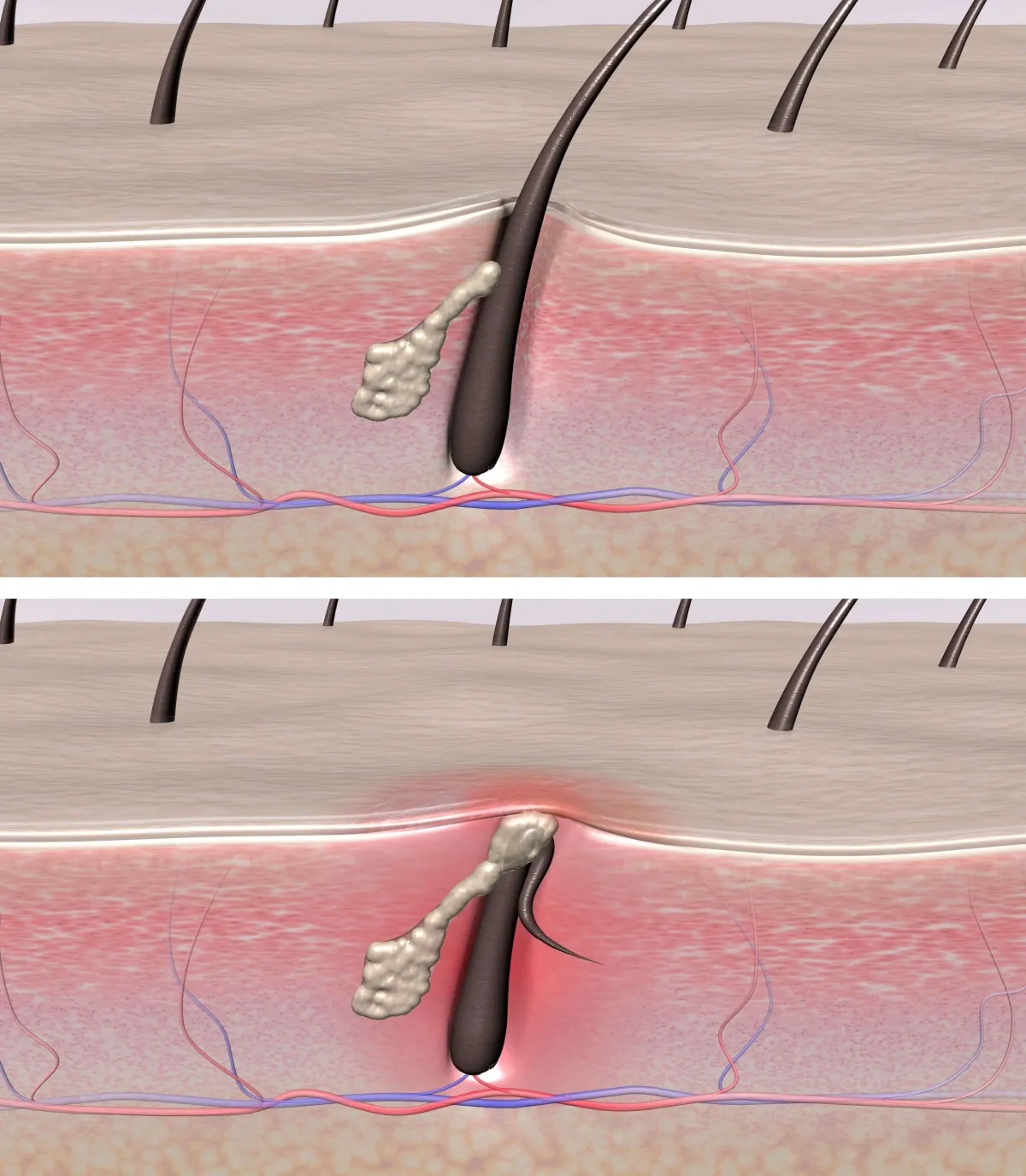
Common Causes of Ingrown Hairs
Understanding the causes of ingrown hairs can help guide the prevention and treatment strategies recommended, ensuring smoother and healthier skin post-hair removal.
-
Curly or Coarse Hair: Individuals with curly or coarse hair are more prone to ingrown hairs. The natural curl of the hair can cause it to bend back and re-enter the skin after being cut or shaved.
-
Tight Clothing: Wearing tight clothing can increase the risk of ingrown hairs by pressing the hair against the skin and encouraging it to grow in the wrong direction.
-
Improper Shaving Techniques: Shaving too closely, using a blunt razor, or shaving against the hair growth can irritate the skin and lead to hairs growing back into the skin.
-
Lack of Exfoliation: Not regularly exfoliating can lead to the accumulation of dead skin cells that clog hair follicles. This makes it difficult for hairs to grow outwards, leading them to grow sideways or back into the skin.
-
Dry Skin: Dry skin can exacerbate the risk of ingrown hairs. Without adequate moisture, the skin becomes less flexible, making it harder for hairs to break through the surface.
-
Waxing and Tweezing: These hair removal methods can cause hair to break at the surface rather than being removed from the root. The remaining short hair can easily grow back into the skin.
-
Genetics: Some people are genetically predisposed to ingrown hairs due to the nature of their hair and skin.
-
Hormonal Factors: Hormonal changes can lead to increased hair growth and thickness, thereby raising the likelihood of ingrown hairs.
7 Tips to Help Prevent Ingrown Hairs After Waxing
Tip #1. Exfoliate Regularly
Regular exfoliation is key in preventing ingrown hairs. By removing dead skin cells, oils, and dirt from the surface of your skin, you clear the path for hair to grow outward. Aim to exfoliate 2-3 times a week with a gentle scrub or use chemical exfoliants like AHAs or BHAs for more sensitive areas. Be careful not to over-exfoliate, as this can lead to irritation and worsen the problem.
Tip #2. Keep Skin Moisturized
Hydrated skin is more pliable, making it easier for hairs to break through the surface. Use a fragrance-free, non-comedogenic moisturizer to keep your skin soft and supple. Apply moisturizer daily, focusing on areas prone to waxing and ingrown hairs.
Tip #3. Choose the Right Waxing Technique
The technique and quality of waxing play a significant role in preventing ingrown hairs. Hard wax, for example, is often better for sensitive areas as it adheres to the hair rather than the skin, reducing irritation. Ensure that the waxing is done in the direction of hair growth and removed in the opposite direction in a swift, clean motion to minimize hair breakage.
Tip #4. Wear Loose Clothing
After waxing, avoid tight clothing that can irritate the skin and trap hairs beneath the surface. Loose, breathable fabrics will reduce friction and allow the skin to heal and hairs to grow properly.
Tip #5. Use Ingrown Hair Treatments
There are various products designed to prevent and treat ingrown hairs. These often contain exfoliating acids like glycolic acid, salicylic acid, or retinoids that help keep the skin clear. Serums and creams formulated for post-wax care can significantly reduce the occurrence of ingrown hairs. Apply according to product instructions for best results.
Tip #6. Avoid Shaving Between Waxes
Shaving between waxing sessions can disrupt the hair growth cycle, increasing the likelihood of ingrown hairs. If you must remove hair between waxes, consider other methods that maintain the hair direction and length, such as trimming.
Tip #7. Professional Waxing Makes a Difference
While home waxing kits are available, professional waxing services offer the advantage of expert techniques, high-quality products, and advice tailored to your skin and hair type. Professionals can also recommend post-wax care products and routines specific to your needs.
Does Waxing Prevent Ingrown Hairs?
Waxing can both help and hinder in the fight against ingrown hairs. On the one hand, waxing removes hair from the root, which can reduce the likelihood of hair growing back into the skin compared to shaving. On the other hand, waxing can sometimes cause hair to break at the surface instead of being pulled from the root, which can increase the risk of ingrown hairs. Therefore, the key to preventing ingrown hairs after waxing lies in the technique used and the post-waxing care.
When Professional Waxing Helps

Preventing ingrown hairs after waxing comes down to three things: good technique, a consistent routine, and not irritating the skin right after your appointment.
At Rejuvenate You, I pay close attention to hair direction, skin sensitivity, and aftercare recommendations because those details make a real difference. If you’re prone to ingrowns, I’d rather help you prevent them than have you fighting them for the next three weeks.
Ready to book your wax?
- Brazilian Wax Scottsdale — Complete smoothness with expert technique
- Brazilian Wax Phoenix — Full Brazilian in Uptown Phoenix
- Bikini Wax Scottsdale — Perfect for swimwear season
- Bikini Wax Phoenix — Simple cleanup, Phoenix location
- Men’s Waxing Scottsdale — Back, chest, and body waxing
- Men’s Waxing Phoenix — Male grooming services
If you live in or around Scottsdale or Phoenix, AZ, and are interested in getting a professional wax, I invite you to contact us at Rejuvenate You. Book an appointment at our Scottsdale location or book in Phoenix and learn more about my services and how I can help you achieve the smooth, radiant skin you deserve. Let me help you prevent ingrown hairs after waxing, ensuring that your skin remains beautiful and healthy-looking for weeks to come.
FAQs
-
Can anyone develop ingrown hairs after waxing?
Yes, anyone can develop ingrown hairs after waxing, regardless of hair type or skin sensitivity. However, those with curly or coarse hair might be more prone to experiencing them due to the natural growth pattern of their hair.
-
How soon after waxing can I exfoliate?
It’s recommended to wait at least 24-48 hours after waxing before exfoliating. This allows your skin time to recover and reduces the risk of irritation.
-
What should I do if I get an ingrown hair?
If you get an ingrown hair, resist the urge to pick or tweeze it out. Instead, apply warm compresses to the area to soften the skin and gently exfoliate to encourage the hair to emerge naturally.
-
How often should I wax to minimize the risk of ingrown hairs?
The ideal frequency of waxing depends on your hair growth cycle, typically every 4-6 weeks. Consistent waxing can help regulate hair growth patterns and reduce the likelihood of ingrown hairs.
-
Can wearing sunscreen help prevent ingrown hairs?
While sunscreen itself doesn’t prevent ingrown hairs, protecting your skin from the sun after waxing can reduce skin irritation and sensitivity, creating a better environment for hair regrowth without ingrowing.
-
Are there any specific ingredients in skincare products I should avoid after waxing?
After waxing, avoid skincare products containing alcohol, fragrance, or other irritants that can exacerbate skin sensitivity and inflammation, potentially leading to ingrown hairs.
Related Service & Location Pages
- Waxing Scottsdale
- Waxing Phoenix
- Brazilian Wax Scottsdale
- Brazilian Wax Phoenix
- Bikini Wax Scottsdale
- Bikini Wax Phoenix
- Scottsdale Main Location Page
- Phoenix Main Location Page
- Services Overview
Ready to Book or Ask a Question?
If you’re not sure which service makes the most sense for you, that’s normal. I can help you choose the right option based on your skin, your goals, and how much hair you want removed — without making it weird.
Book Online
Scottsdale:
📍 7127 E Sahuaro Dr, Unit 103
Book Scottsdale →
Phoenix:
📍 727 E Bethany Home Rd Suite D-224
Book Phoenix →
Want to ask first? Contact me and I’ll point you in the right direction.