Bumps After Brazilian Wax: Common Causes and Effective Solutions
Experiencing bumps after a Brazilian wax? Learn common causes, effective treatments, and prevention tips to keep your skin smooth and irritation-free.
By Danielle Morales
Sep 18
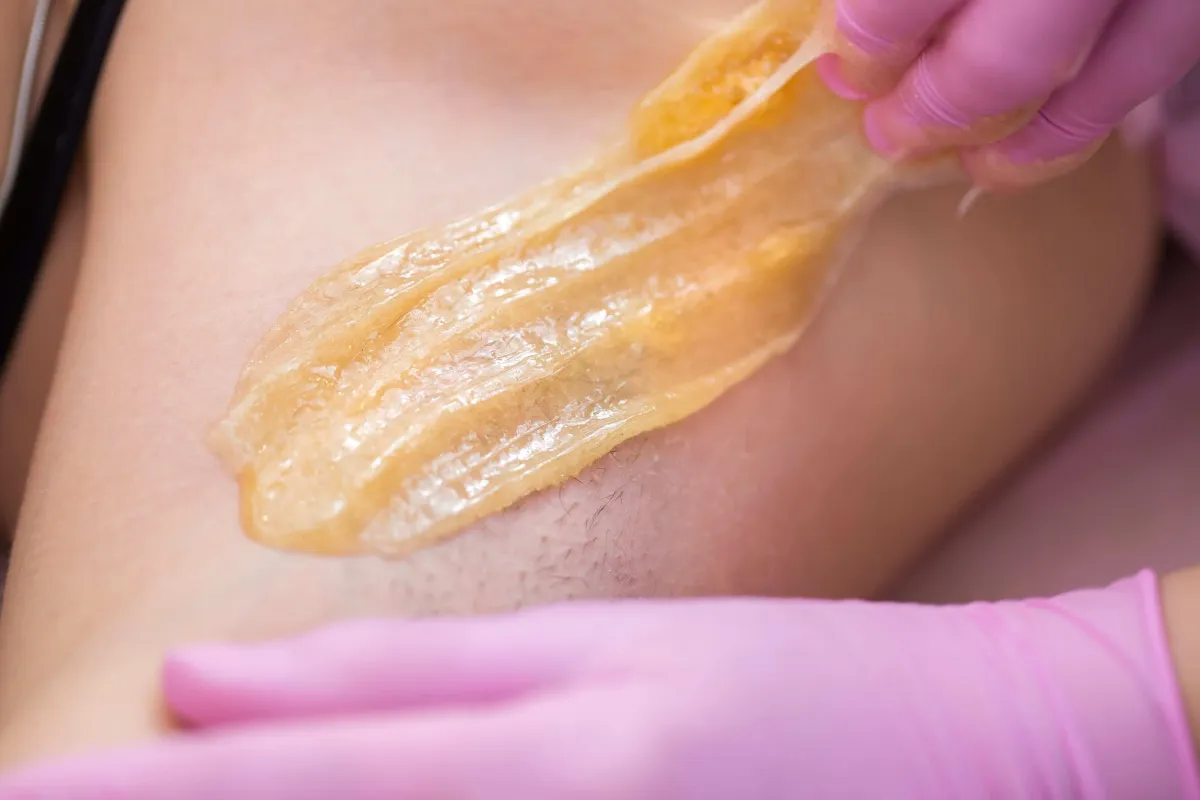
Bumps after a Brazilian wax are common, annoying, and usually fixable. They can show up from irritation, trapped hairs, sweat, friction, or just your skin reacting to a brand-new service.
The important part is knowing what kind of bump you’re dealing with, because not every post-wax bump needs the same fix. Here’s how to calm things down and help prevent it next time.
Common Causes of Bumps After Brazilian Wax
-
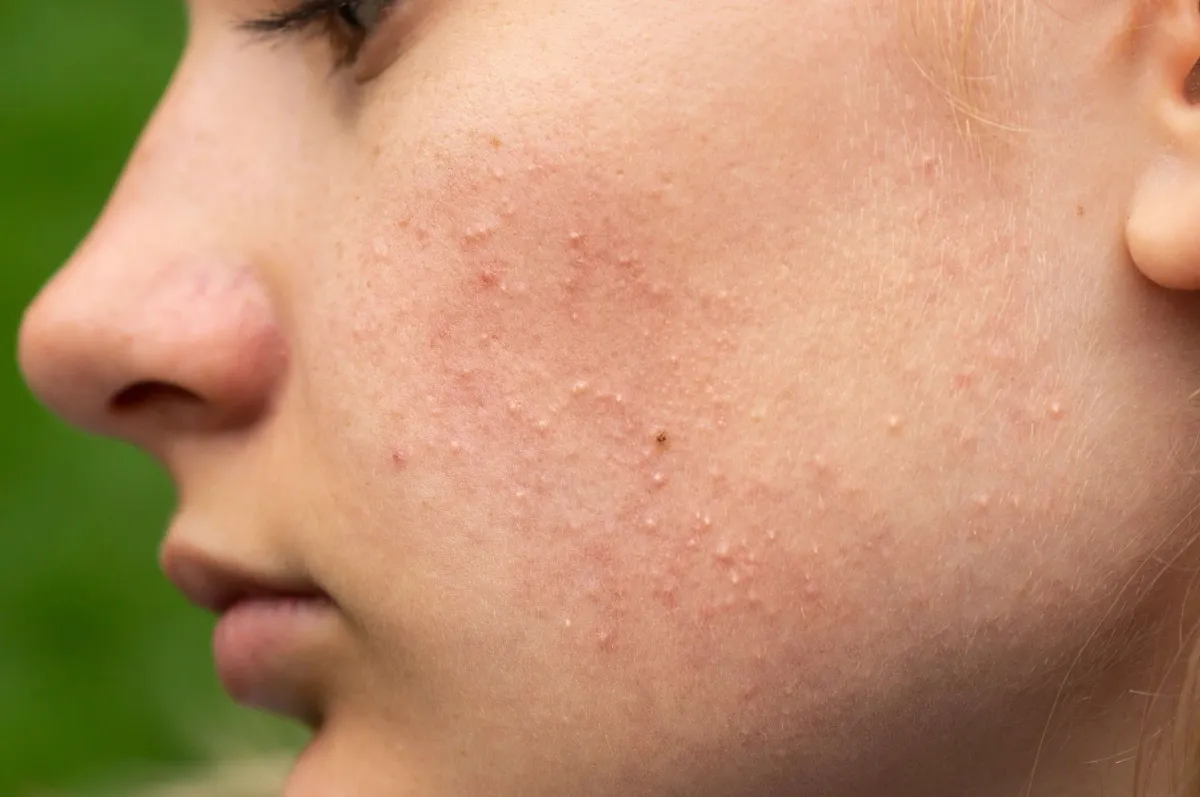
Skin Sensitivity: Waxing can sometimes cause irritation for those with sensitive skin, leading to red bumps and inflammation. Sometimes this occurs the first time an area is waxed due to the physical act of hair being removed.
-
Allergic Reactions: Some individuals may have an allergic reaction to the wax or other products used during the waxing process, resulting in itchy, red bumps.
-
Blocked Pores: Resembles the look of a blackhead. After waxing, the pores are open and can easily become clogged with sweat, dirt, and oils, leading to the formation of a black dot.
-
Ingrown Hairs: One of the most common causes of bumps after a Brazilian wax is ingrown hairs. These occur when hair grows back into the skin rather than out of it, leading to inflamed bumps that can be painful and itchy.
-
Folliculitis: This condition is characterized by inflammation of the hair follicles, often caused by bacteria entering the follicles post-waxing. Folliculitis can result in red, pus-filled bumps that resemble acne.
Effective Solutions to Treat Bumps After Waxing
-
Avoid Tight Clothing: Wearing loose clothing after a Brazilian wax can prevent friction and allow the skin to breathe, reducing the likelihood of bumps.
-
Warm/Cold Compresses: If the bumps appear within the first 24 hours from the service, then cold compress is best to bring down the inflammation with the bumps. If the bump is after the first 24 hours and appears to be a trapped, angry hair, then a warm compress is one of the ways to help the hair to the skin’s surface.
-
Moisturization: Keeping the skin hydrated is crucial. Apply a gentle, fragrance-free moisturizer to soothe the skin and reduce inflammation. Nourishing oils, such as grape-seed seed oil Jojoba seed oil will help by softening the skin and hair while it grows back. Well nourished, skin allows thin new hair to reach the surface easier preventing it from being trapped while growing back.
-
Exfoliation: Gently exfoliating the skin a few days after waxing to remove dead skin cells and prevent ingrown hairs. Use a mild scrub or an exfoliating glove to avoid further irritation.
The Importance of Physical and Chemical Exfoliation in Preventing and Treating Ingrown Hairs
Exfoliating can be done physically and chemically. Both are critical to prevent and treat ingrown hairs. Physical exfoliating is when you take a abrasive washcloth, textured glove or exfoliating towel, chemical exfoliate is done with using products with ingredients, such as AHA’s and BHA’s
AHA (Alpha Hydroxy Acids) and BHA (Beta Hydroxy Acids) are effective for treating ingrown hairs due to their exfoliating properties:
-
AHA (Alpha Hydroxy Acids): These are water-soluble acids that work on the skin’s surface. AHAs, like glycolic or lactic acid, help to remove dead skin cells, which can block hair follicles and contribute to ingrown hairs. By exfoliating the skin’s surface, AHAs prevent dead skin from trapping hair under the skin.
-
BHA (Beta Hydroxy Acids): Salicylic acid is the most common BHA and is oil-soluble, meaning it can penetrate into the pores. BHA works inside the pores to exfoliate the lining and reduce blockages, which is particularly helpful in preventing and treating ingrown hairs. It also has anti-inflammatory properties, which can help soothe irritated skin and reduce the redness and swelling associated with ingrown hairs.
Using products with AHA or BHA can help keep the skin smooth and clear, reducing the likelihood of hairs becoming trapped and growing inward.
Tips on Preventing Bumps After Waxing in the Future
-
Pre-Waxing Preparation: Exfoliate the area a day before your appointment to remove dead skin cells and reduce the risk of ingrown hairs.
-
Choose the Right Wax: Opt for high-quality wax that is suitable for sensitive skin. Discuss any allergies or sensitivities with your esthetician beforehand.
-
Post-Waxing Care: After waxing, avoid activities that cause excessive sweating, such as exercise, and refrain from using heavily fragranced products on the area.
-
Consistent Exfoliation and Moisturization: Make exfoliation and moisturization part of your regular skincare routine to keep the skin healthy and minimize the risk of ingrown hairs and blocked pores.
-
Professional Waxing Services: Ensure you visit a reputable salon with experienced estheticians who follow proper hygiene practices to minimize the risk of infection and irritation.
When Technique and Aftercare Matter Most
A lot of post-wax bumps come down to a mix of skin sensitivity, poor aftercare, or a wax that was too rough on the area. This is where product choice, hygiene, and technique make a real difference.
Book a Professional Brazilian Wax at Rejuvenate You
At Rejuvenate You, I use hard wax, work carefully on sensitive skin, and give aftercare guidance that actually helps. If you tend to get bumps, irritation, or ingrowns after waxing, I’d rather help you prevent the problem than have you guessing afterward.
If you’re in Scottsdale or Phoenix and want a smoother Brazilian wax experience, contact me or book online.
FAQs
-
How long do bumps after waxing last?
Bumps after waxing typically last a few days to a week, depending on the cause and how well they are treated. If bumps persist beyond a week, consider consulting a dermatologist.
-
Is it normal to have an allergic reaction to waxing?
While not common, some individuals may experience an allergic reaction to the wax or other products used during the waxing process. Symptoms include redness, itching, and bumps; if these occur, discontinue use and consult a healthcare provider.
-
Can certain types of wax reduce the risk of bumps?
Yes, using high-quality wax suitable for sensitive skin can reduce the risk of bumps. Consult with your esthetician to choose the best wax for your skin type.
Related Service & Location Pages
- Waxing Scottsdale
- Waxing Phoenix
- Brazilian Wax Scottsdale
- Brazilian Wax Phoenix
- Bikini Wax Scottsdale
- Bikini Wax Phoenix
- Scottsdale Main Location Page
- Phoenix Main Location Page
- Services Overview
Ready to Book or Ask a Question?
If you’re not sure which service makes the most sense for you, that’s normal. I can help you choose the right option based on your skin, your goals, and how much hair you want removed — without making it weird.
Book Online
Scottsdale:
📍 7127 E Sahuaro Dr, Unit 103
Book Scottsdale →
Phoenix:
📍 727 E Bethany Home Rd Suite D-224
Book Phoenix →
Want to ask first? Contact me and I’ll point you in the right direction.